Industry Insights • From Factory to Cultural Power: The Reinvention of “Made in China”
Share:
The reinvention of “Made in China” is not simply a manufacturing story. In my experience, it is a story about confidence, culture, creative power, and a profound shift in how global fashion and sportswear influence is being built.
In a recent strategy meeting with a fabric supplier, the conversation moved beyond materials and production plans. We spoke about mutual connections across the fashion and sportswear world. Who is doing what? Which brands have the happiest employees? Which companies feel the most inspiring at this moment?
SQUATWOLF was discussed repeatedly and positively. Inevitably, the conversation turned to Chinese brands and the China market.
So what is actually happening with Chinese brands?
For years, I have been highlighting and discussing this shift:
Go shopping in Shenzhen, Guangzhou, or Shanghai and you will see it clearly. The energy is extraordinary. You will be amazed and inspired.
For decades, China was seen as “the factory to the West”. It was associated with making cheap products for overseas markets, being a “good executor” at best, and a “relentless copier” in less complimentary terms.
“Made in China” became shorthand for low-cost products. The Western perception was largely shaped by ideas of knock-offs, sweatshops, and mass production, while Western luxury and sportswear brands were perceived as the aspirational north stars.
Many brands also hid their country of origin behind final processes in Italy or France. The narrative around “Made in China” remained tied to low cost, not aspiration or quality.
As someone who has worked in sourcing and development across Asia for many years, I have long known the incredible ability, commitment, and innovation of Chinese manufacturers.
When Factory Guy appeared on Instagram declaring how many global brands were made in China, I was delighted.
Suddenly, there was a clear message that “Made in China” had changed forever.
This has already happened in the automotive industry and electronics. Now it is happening in sportswear and fashion.
The conversation is no longer whether China can produce.
It is whether China can define, create, and speak to the world.
I frequently reference Anta because it represents one of the clearest fashion industry insights of this moment.
Anta has gone from being a Chinese sportswear brand to becoming a serious brand owner and multinational corporation. Its pathway through strategic investment, acquisition, and brand building has been intentional.
The agreed acquisition of a 29.06% stake in Puma is not a small signal. It reflects a much larger shift in global sportswear industry news: Chinese companies are no longer only manufacturing for global brands. They are increasingly shaping, owning, and influencing them.
At the same time, Anta has created domestic strength through its own namesake brand. It has learned through acquisition, talent, operational capability, and long-term strategy rather than imitation.
This is not short-term hype.
It is structured industrial maturity.
Anta aligns with my belief that true power in sportswear and fashion is built on operational capability, not marketing noise.
Marketing is important, but the operations and product must deliver.
The world is only beginning to take full notice. Chinese brands are moving from participation to presence on the global stage.
There are several examples of this rise.
At Milano Cortina 2026, Chinese sportswear brands including Anta and Li-Ning had visible roles, showing how Chinese performance brands are expanding their international presence.
Li-Ning has also shown at Milan Fashion Week, bringing a Chinese sportswear perspective into one of fashion’s most influential global settings.
Chinese designers such as Chet Lo and HUI by Zhao Huizhou have also appeared in Milan and London, while Shanghai Fashion Week continues to grow as a globally relevant platform.
Manufacturing nations rarely become style references, yet China is crossing that threshold.
This is a time when brands from China are increasingly proud of their heritage.
The world feels dark and chaotic in many ways. The shift away from Western dominance is no longer theoretical. It is happening across politics, commerce, culture, and aesthetics.
While these are uncertain times, they are also very interesting times, especially when we look at the fashion and sportswear worlds.
The dominance of Western brands in Asian markets is changing. In China, many Western brands have been replaced or challenged by strong domestic alternatives.
Think of Luckin Coffee as a local challenger to Starbucks.
Other countries and cultures increasingly want to commit to their own creatives, aesthetics, and stories.
Multipolarity is not only political.
It is aesthetic and commercial.
Paris and Milan are no longer the only taste-makers.
A very interesting and amusing trend has emerged: “China-maxxing”.
Perhaps it was the arrival of Xiaohongshu in the West, the Labubu craze, or a broader curiosity about Chinese consumer culture. Suddenly, people are saying they are in their “most Chinese era”.
Examples include:
While this is a social trend, it also expresses something deeper.
It signals that people know about China, understand that it is part of the future, and want to participate in that cultural moment.
Trends are cultural data.
These consumers are showing curiosity, cultural visibility, and openness to a different centre of influence.
It reflects the soft power expansion of China and Chinese brands.
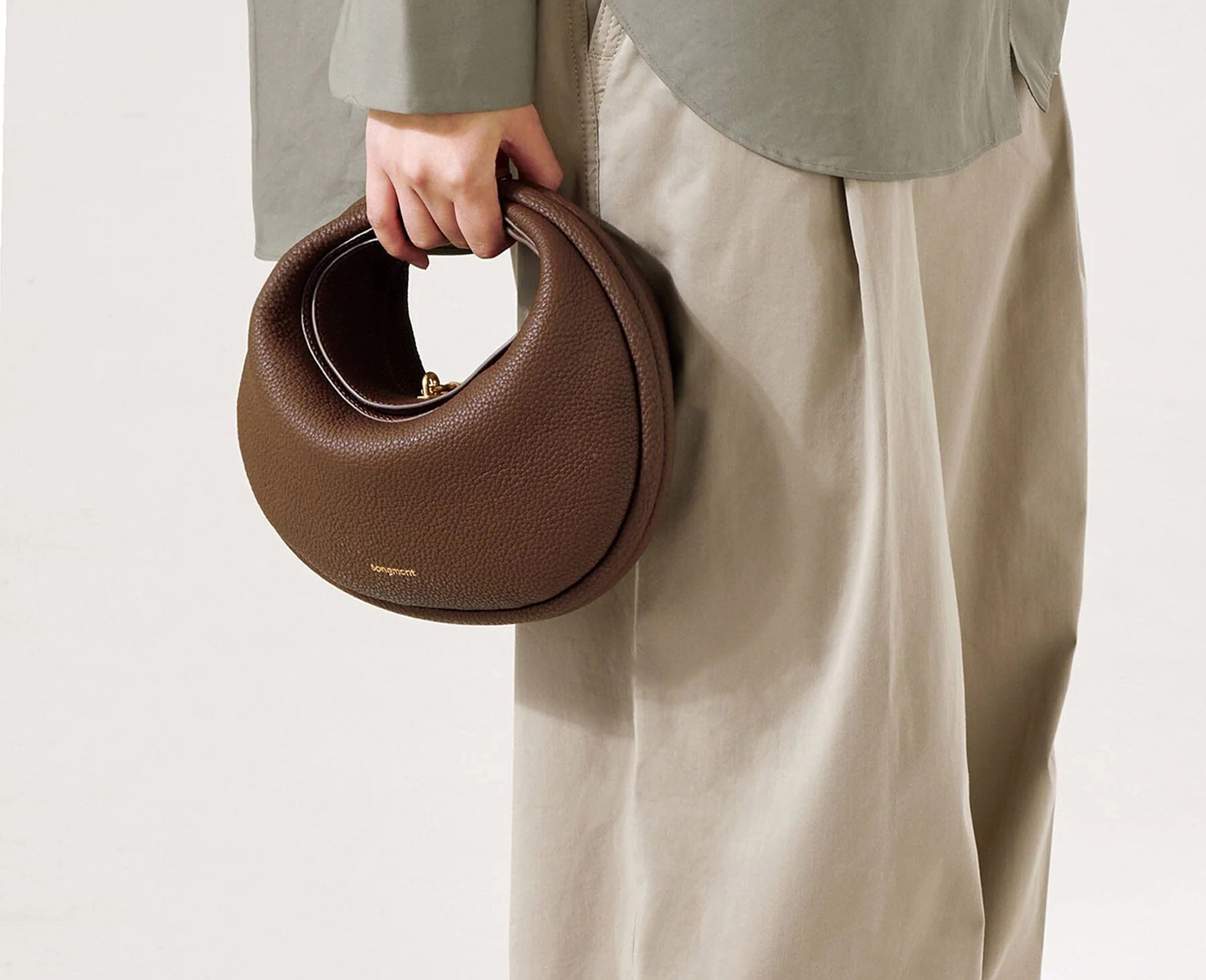
Songmont is a beautiful example of this soft power expansion.
I talk frequently about Songmont as a brand of the new era of practical luxury.
It is proud of its Chinese heritage. The Luna bag, referencing the lunar calendar, is one example of this cultural confidence. The founder story is also authentic and moving: Song’s mother making her a practical bag for work.
There is pride and passion in the manufacturing and quality process.
I know good product. I have a sixth sense for authenticity and passion.
When I pick up a Songmont bag, I feel the quality, intention, and care.
Songmont is not trying to be Western quiet luxury.
It is expressing Chinese heritage through modern design and soft power.
In a video, I compared a Songmont bag with a Hermès Birkin. This was not “Birkin-bashing”.
What I experienced was the beauty of the bag, the practicality for everyday life, and a sense of inclusion.
That inclusion came through price, intention, and access.
Western luxury has often been built on mythology, scarcity, and exclusivity. You need to pay to be part of it.
Emerging brands are offering something different: sufficiency, integrity, beauty, and cultural confidence.
We can all be part of something valuable, beautiful, and authentic.
We are witnessing the beginning of the end of unquestioned Western luxury dominance.
Rebalancing.
This is not only a China story.
There are many other countries rising in creativity, confidence, and vision.
The Middle East is one example, including my beloved partner brand SQUATWOLF.
Its extraordinary founders, Wajdan and Anam, bring authenticity, vision, and a strong voice to their community.
There are also many brands emerging from India, Pakistan, and other creative ecosystems.
The global fashion map is being redrawn.
This matters not only for brand identity, but also for fashion supply chain insights and sustainable fashion trends. As new centres of creativity emerge, brands have the opportunity to build more thoughtful, regionally connected, and culturally authentic business models.
We are experiencing a social and psychological shift.
The world is emerging from many different creative and extraordinary places.
This is a hopeful future.
A world where there is no dominance from one place over another.
A world of independent brands and multipolar creativity.
Extraordinary products can emerge from anywhere.
Every culture, tradition, and creative voice deserves an equal opportunity.
That is a future worth living in.
The reinvention of “Made in China” is not only about production capacity. It is about a broader shift in confidence, ownership, and cultural influence.
For fashion and sportswear leaders, the lesson is clear: manufacturing strength can become brand power when it is combined with product integrity, cultural clarity, and long-term strategic investment.
The future of fashion will not be shaped by one centre of taste or one dominant geography. It will be shaped by brands that understand their heritage, serve their communities, and build with operational discipline.
China’s rise is part of a larger global rebalancing. The opportunity now is to recognise creative and commercial power wherever it emerges.
The reinvention of “Made in China” means China is no longer only seen as a manufacturing base. Chinese brands are increasingly building their own product identity, cultural confidence, and global influence across fashion, sportswear, technology, and lifestyle.
Anta’s agreed acquisition of a 29.06% stake in Puma is significant because it shows how Chinese sportswear companies are moving from production and domestic growth into global brand influence. It reflects a wider shift in sportswear industry power.
Soft power in fashion refers to the ability of a culture, brand, or country to influence taste, aspiration, and consumer behaviour through design, storytelling, product quality, and cultural identity.
Chinese brands are becoming more visible because they combine manufacturing capability with stronger design confidence, domestic consumer support, strategic investment, and cultural storytelling. This allows them to compete not only on price, but on identity, quality, and relevance.
If you are unsure where your brand sits within the shifting fashion and sportswear landscape, start with The Diagnostic.
The Diagnostic is a private, one-to-one assessment with Kate that produces a written map of your brand’s architecture, priorities, and next steps.

Kate Padget-Koh is the founder of Fashionable Futures and a fashion industry consultant with more than 30 years of experience across sourcing, sustainability, product development, supply chain strategy, and brand transformation.